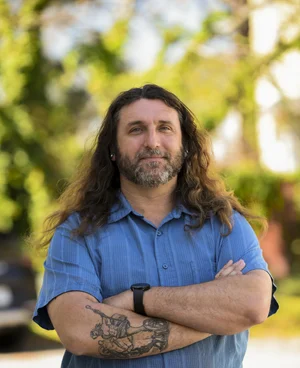
A Citizen of the Forgotten
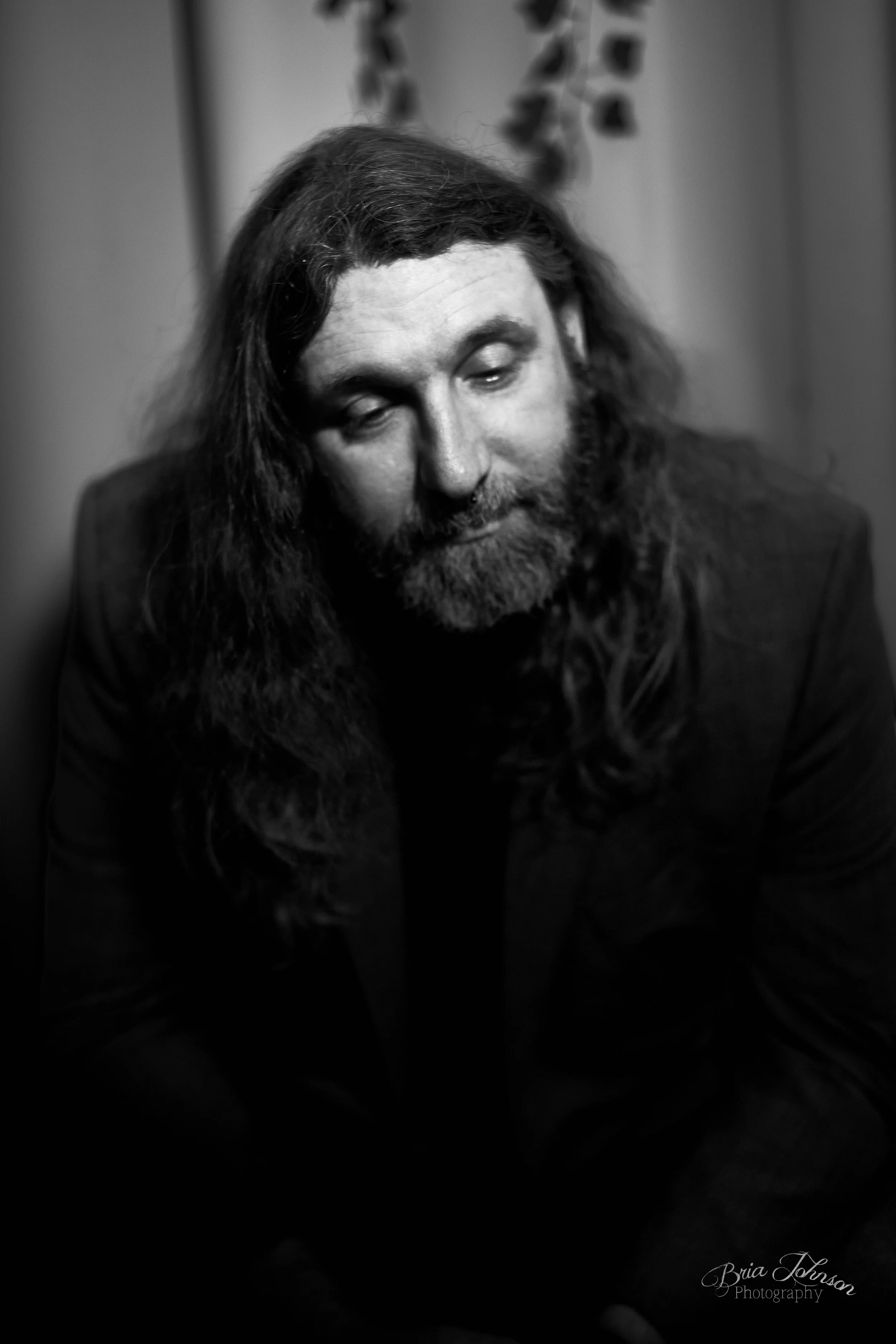
How Photography Helped Me Rebuild My Identity Through Sobriety and Creative Renewal
There was a time in my life when I felt like I had slipped into the background of my own story — present, but fading. Alcohol has a way of doing that. It doesn’t erase you all at once; it just slowly convinces you that you’re no longer worth seeing. When I finally chose sobriety, I didn’t step into the light with confidence or clarity. I stepped into it quietly, unsure, carrying the weight of years spent feeling like an afterthought.
What I didn’t expect was that photography — something I had once loved and then abandoned — would become the bridge back to myself.
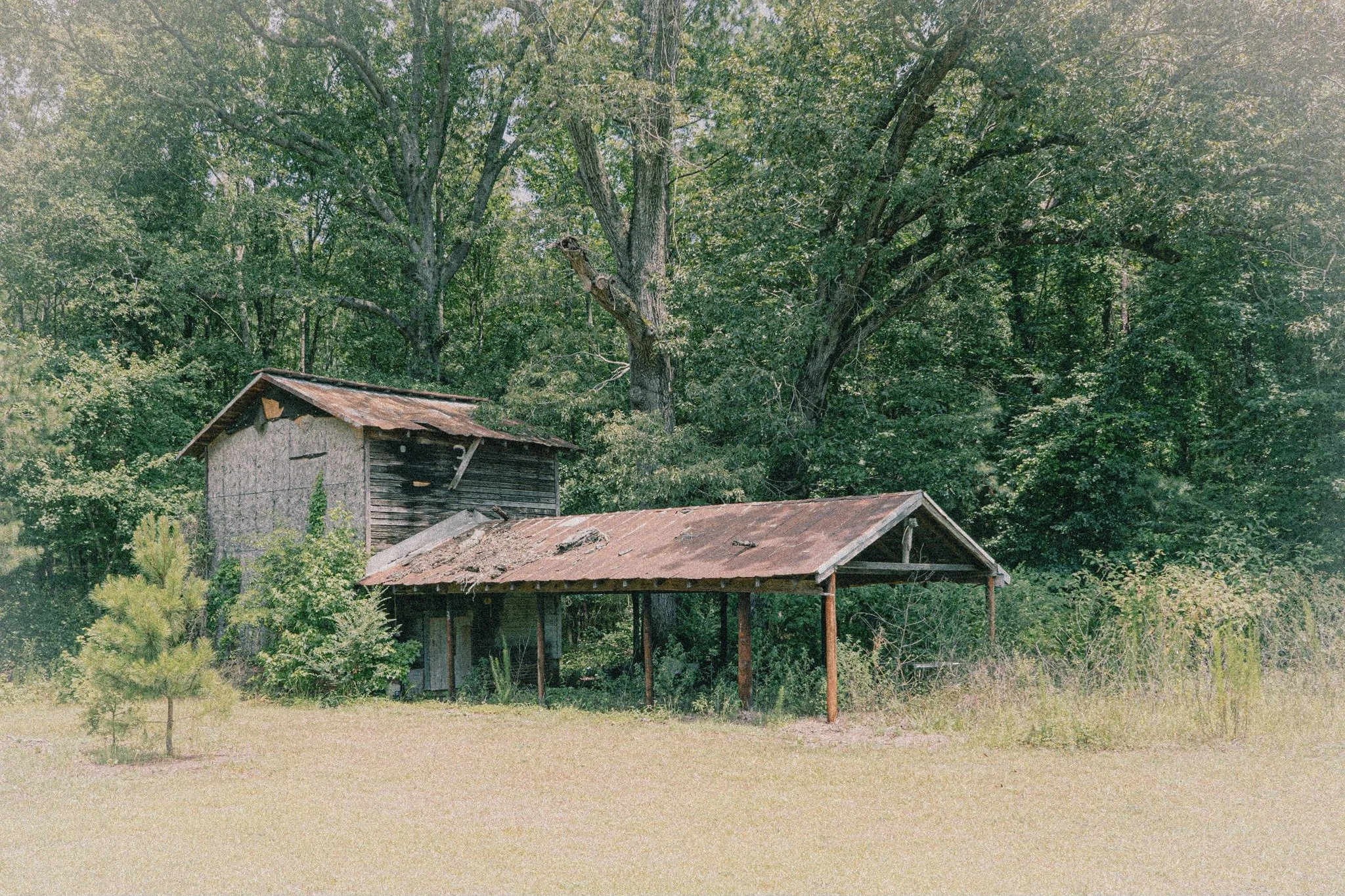
A structure weathered by time, still standing in quiet defiance — the moment I realized resilience can live inside what’s been forgotten.
In early sobriety, I found myself drawn to places most people overlook. I didn’t go searching for beauty. I went searching for honesty. I wandered through woods and backroads with my camera, stopping at old barns, forgotten rail cars, and structures that time had decided not to remember. They were weathered, broken in places, reclaimed by vines and rust. And yet, they stood. They endured.
The first time I photographed an abandoned tobacco barn, I felt something shift. The wood was gray and splintered, the roof sagging, the doorway leaning like it had been tired for decades. But the barn wasn’t gone. It wasn’t useless. It wasn’t erased. It was still here, holding its history in every board. I saw myself in that structure — worn, but standing. Damaged, but not destroyed.
That moment cracked something open in me.
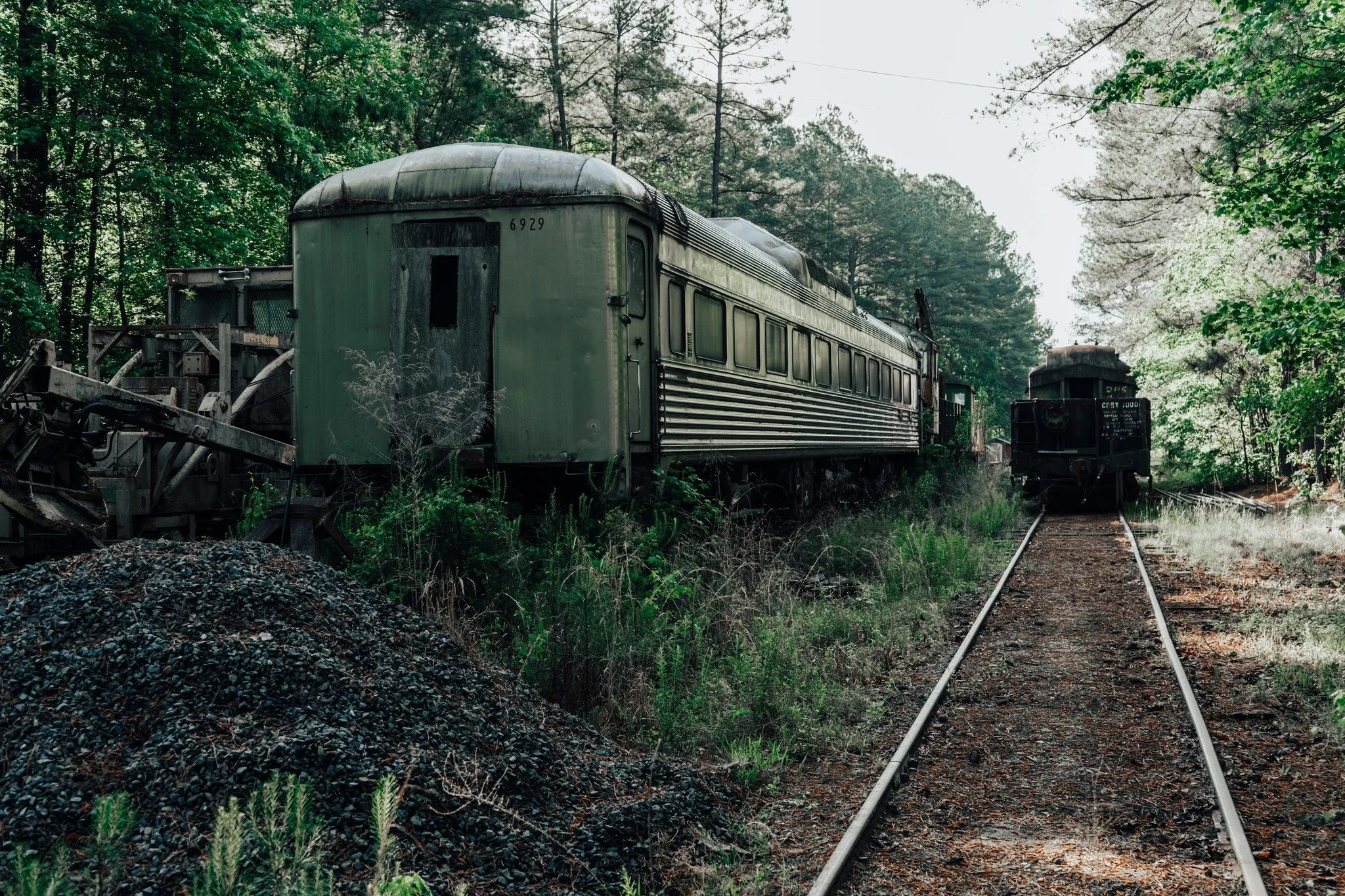
A machine built for motion, paused in place — a reminder that even when life stalls, the journey isn’t over.
I started seeking out more forgotten places. An old diesel Budd car sitting silent on a track that no longer led anywhere. A stone bridge arching over a winding road, carrying stories older than any of us. These places weren’t loud. They didn’t demand attention. They simply existed, quietly, with dignity. And in their stillness, I found a reflection of my own journey.
Sobriety isn’t just about removing something from your life. It’s about rediscovering what was buried underneath. For me, photography became the way I processed emotions I didn’t yet have words for. When I lifted my camera, I wasn’t just documenting decay — I was learning to see again. I was learning to listen. I was learning to be present.
There’s a particular kind of empathy that grows out of feeling forgotten. When you’ve lived in the shadows, you start to notice others who are standing there too. As I photographed abandoned structures, I began to look at people differently. I saw the quiet stories behind their eyes, the weight they carried, the chapters they didn’t talk about. In a world that moves too fast, where everyone is shouting to be heard, I found myself drawn to the ones who spoke softly — or not at all.
I realized I wanted to tell their stories while learning to tell my own.
Photography became more than a creative outlet. It became a way of honoring the overlooked. A way of saying, “I see you. You matter. You’re still here.” Every shutter click felt like a small act of recognition — for the subject, and for myself.
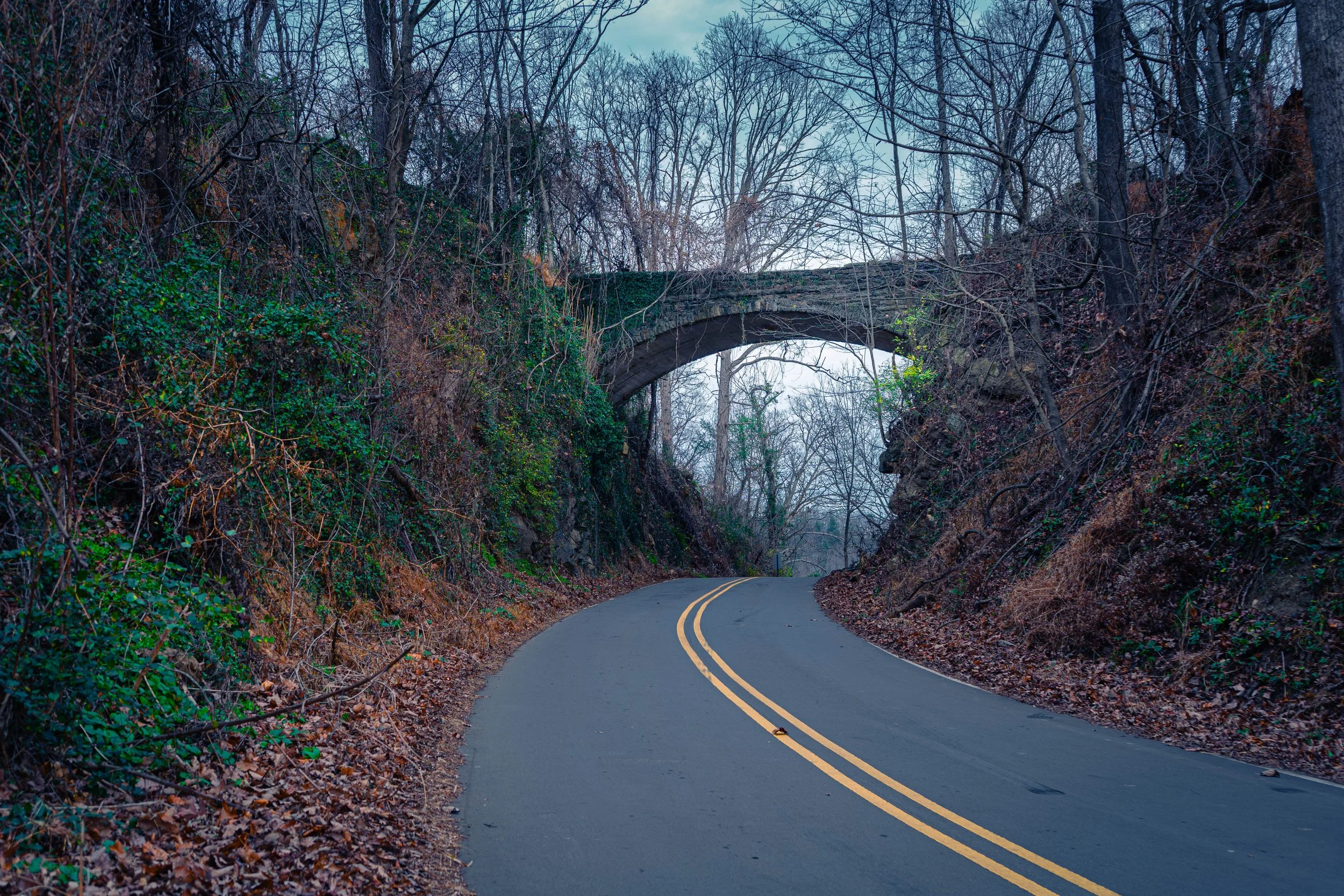
A stone archway between past and future — the threshold I crossed without realizing I was already moving forward.
Helen’s Bridge became a symbol for me. There’s something powerful about a structure built to connect two places that would otherwise remain separate. Standing beneath that stone arch, I felt the weight of transition — the crossing from who I had been to who I was becoming. Sobriety is a bridge. Creativity is a bridge. Healing is a bridge. And sometimes, you don’t realize you’ve crossed it until you look back and see how far you’ve come.
I don’t pretend that the journey is easy. There are days when the shadows feel familiar, when doubt creeps in, when the old narratives try to reclaim their space. But photography gives me a way to stay grounded. It reminds me that even in the forgotten corners of the world, there is beauty worth noticing. There is resilience worth honoring. There is life worth capturing.
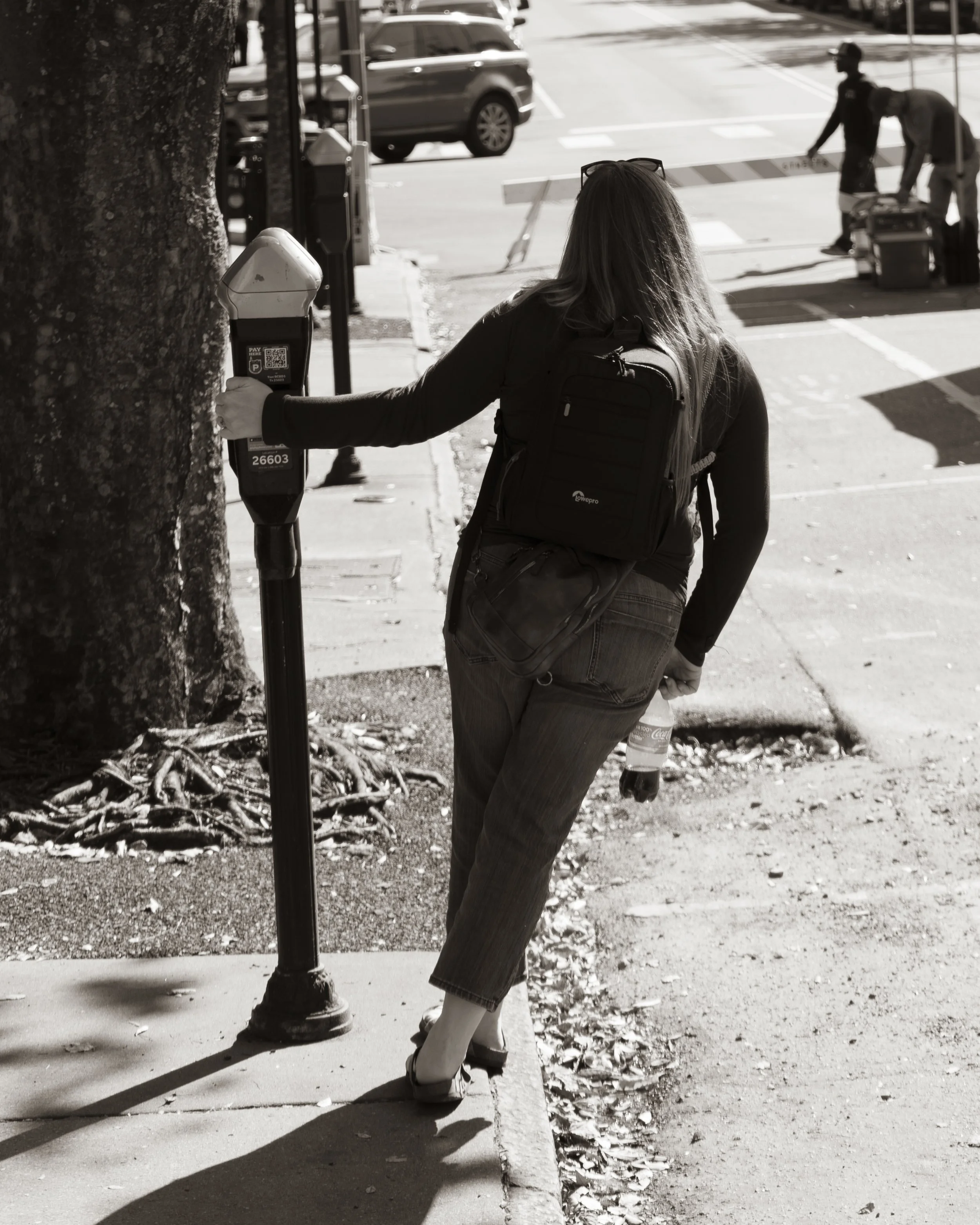
A quiet moment in motion — a reminder that everyone carries a story, even in the rush of an ordinary street.
I’ve come to think of myself as a citizen of the forgotten — someone who understands the quiet places, the overlooked stories, the structures that have weathered more than they show. And that identity isn’t something I hide. It’s something I carry with pride. It shapes the way I photograph, the way I connect with clients, the way I move through the world.
Because the truth is, we all have chapters we don’t talk about. We all have moments when we felt unseen. We all have parts of ourselves that we’re still learning to reclaim. Photography gives me a way to hold space for that — for myself and for others.
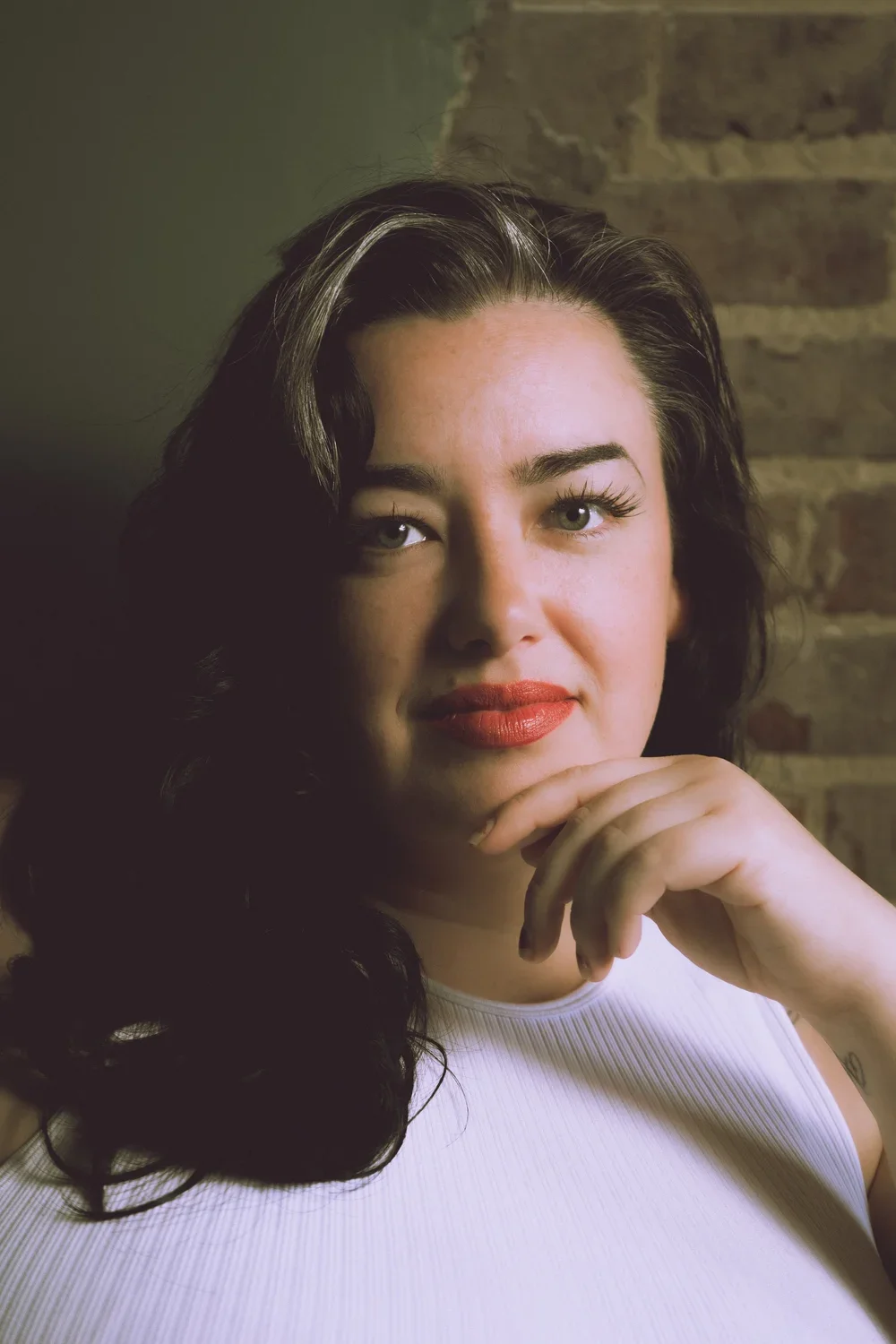
A face framed by texture and light — the kind of presence that reveals strength in stillness.
When someone steps in front of my lens, I’m not just capturing their face. I’m honoring their story. I’m acknowledging the roads they’ve walked, the bridges they’ve crossed, the storms they’ve survived. I’m offering them the same recognition that photography gave back to me.
This craft saved me in ways I didn’t expect. It gave me purpose when I felt directionless. It gave me expression when I felt voiceless. It gave me connection when I felt isolated. And it continues to give, every time I pick up my camera.
If you’re reading this and you’ve ever felt forgotten, I want you to know something: you’re not. Your story matters. Your presence matters. Your journey — messy, complicated, unfinished — matters. And there is beauty in the parts of you that time tried to erase.
I’m still learning. I’m still healing. I’m still crossing bridges. But I’m here. I’m present. And I’m grateful — for sobriety, for creativity, for the forgotten places that taught me how to see again.
Photography didn’t just bring me back to my craft. It brought me back to myself.